How to Learn Graphic Design for Freelancing in India (Without Wasting Months Learning the Wrong Things)
Graphic design is one of the most consistently recommended freelance skills in India—and for good reason.
Businesses today operate in an increasingly visual environment. Startups need branding, ecommerce companies require product creatives, agencies produce marketing campaigns daily, and content creators depend on visual assets to grow their audience. Whether a business is trying to attract attention, build trust, explain a product, or improve engagement, design plays a critical role.
Yet despite the growing demand, many aspiring freelancers spend months learning graphic design without ever reaching a point where they can confidently work with clients.
The problem is rarely a lack of effort.
More often, it is a lack of direction.
Many beginners spend hundreds of hours watching software tutorials, learning shortcuts, and experimenting with effects, but never develop the skills that businesses actually pay for. Others build portfolios filled with random designs that demonstrate software knowledge but fail to solve any real business problem.
Learning graphic design for freelancing requires a different approach.
Instead of asking, “Which software should I learn first?”, the better question is:
“How do businesses use design, and how can I develop the skills required to solve those problems?”
That shift changes the entire learning process.
Understanding Graphic Design Beyond Creativity
One of the biggest misconceptions about graphic design is that it is primarily about creativity.
Professional design is not simply about making something look attractive.
It is about communicating information effectively.
A startup launching a new service may need visuals that explain its value proposition. An ecommerce brand may require product creatives that increase purchase confidence. A marketing agency may need advertising assets that support campaign objectives. A founder building a personal brand may want consistent visual communication across platforms.
In each case, the design exists to achieve a business outcome.
This is why successful freelance designers are valued
They combine visual communication skills with commercial understanding. They understand how people consume information, what captures attention, and how design influences perception.
Software helps create the work.
Strategic thinking creates the value.
Graphic Design Services That Are Actually in Demand in India
Many beginners enter graphic design without understanding where freelance opportunities actually exist. Learning this early helps you focus on skills that have real market demand.
Social Media Design
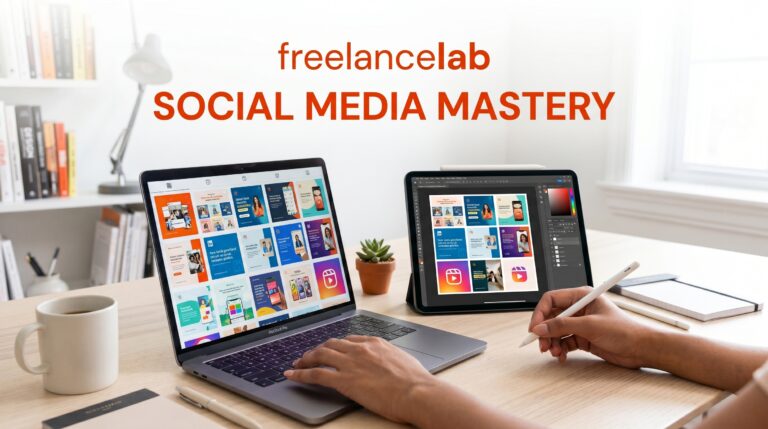
Social media design remains one of the strongest entry points for beginner freelancers.
Businesses constantly require Instagram posts, LinkedIn carousels, promotional creatives, event announcements, ad creatives, and visual content for ongoing campaigns. Unlike one-time projects, social media design often creates recurring work because brands need content consistently. This makes it an attractive niche for freelancers looking to build long-term client relationships.
Brand Identity Design
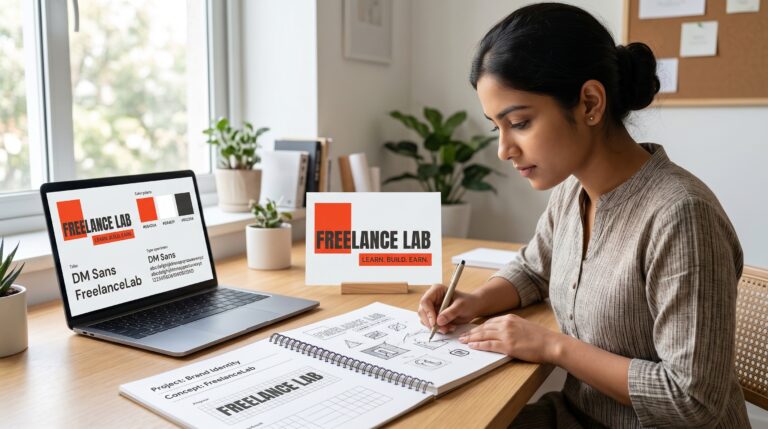
Brand identity work includes logo creation, colour systems, typography selection, brand guidelines, and visual consistency frameworks.
While this category requires stronger design fundamentals, it also tends to offer higher-value projects. Businesses investing in branding are usually looking for long-term visual assets rather than individual designs.
Presentation Design
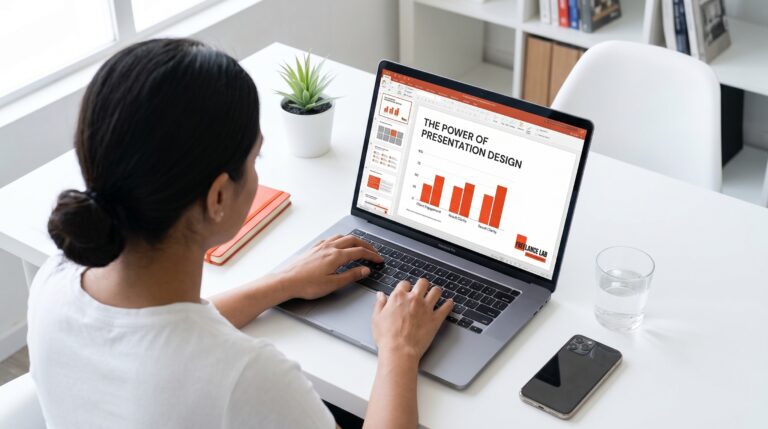
Presentation design is an underrated but growing freelance niche.
Startups need investor decks. Consultants require client presentations. Agencies create sales proposals. Founders often need professional-looking presentations but lack design expertise internally.
For freelancers, presentation design can be a practical specialization with relatively lower competition compared to logo design while maintaining strong commercial demand.
Marketing and Advertising Creatives
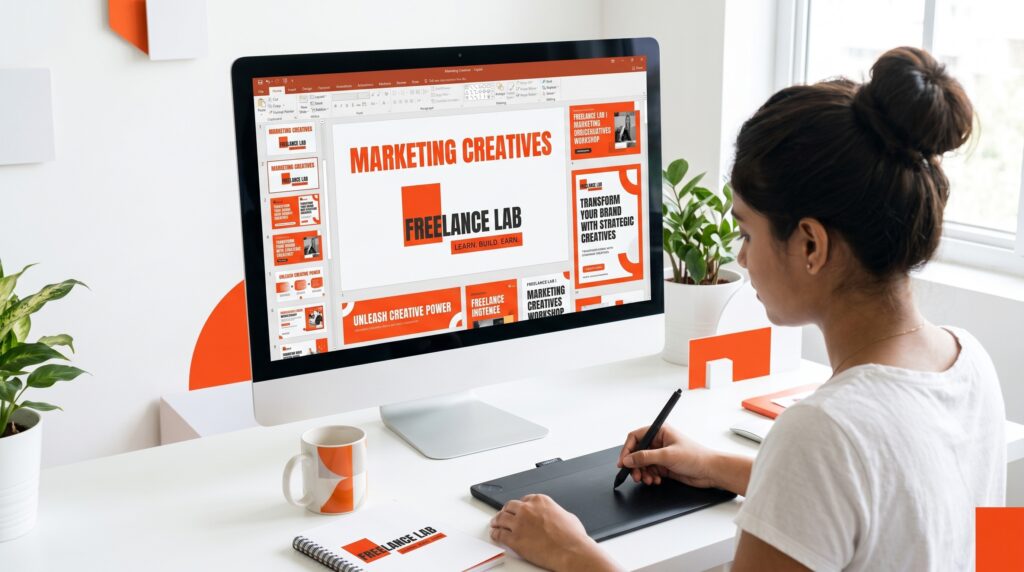
This category includes banners, brochures, lead magnets, display advertisements, promotional materials, and campaign assets.
Marketing agencies frequently outsource this type of work, creating opportunities for freelancers who can deliver consistently and efficiently.
UI Design and Digital Product Design
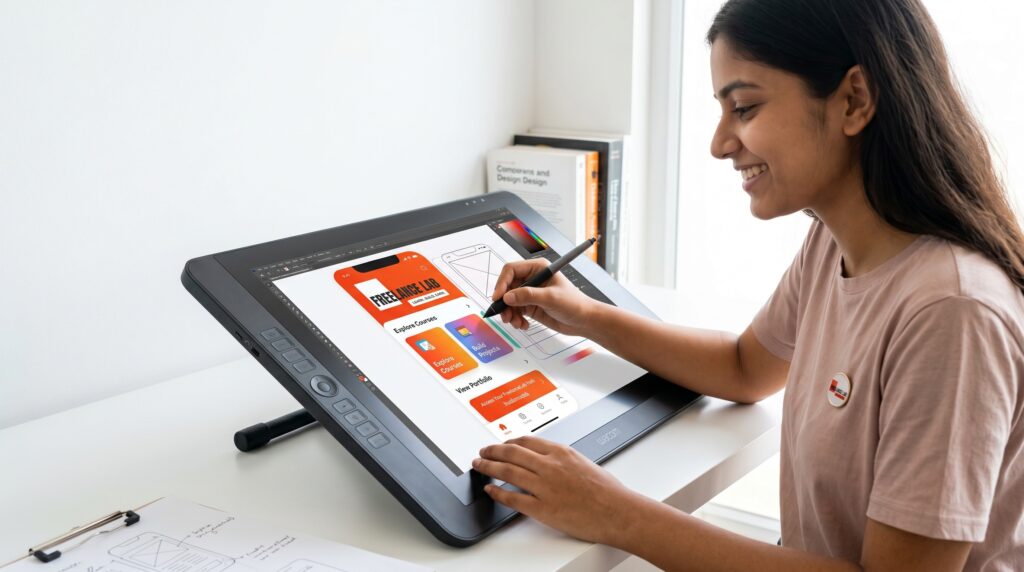
Although more specialised, UI design has become increasingly relevant due to India’s growing startup ecosystem.
Learning tools such as Figma and understanding basic user experience principles can create additional opportunities for freelancers interested in working with technology companies.
The Skills That Matter More Than Software
One of the most common beginner mistakes is assuming that software proficiency automatically translates into design ability.
It does not.
Clients rarely hire designers because they know Photoshop shortcuts.
They hire designers because they can solve communication problems.
Visual Hierarchy
Visual hierarchy determines how viewers process information.
Strong hierarchy directs attention naturally and helps audiences understand content quickly. Weak hierarchy creates confusion and reduces effectiveness.
Every successful advertisement, presentation, website, and social media graphic relies heavily on hierarchy.
Typography
Typography is one of the most important and overlooked design skills.
Font selection, spacing, alignment, readability, and content structure significantly influence how professional a design appears.
Many beginner designs look amateur not because of poor creativity, but because typography has been handled poorly.
Layout and Composition
Good design is often less about individual elements and more about how those elements work together.
Layout and composition influence balance, readability, spacing, and overall visual flow. Developing this skill improves almost every type of design work.
Colour and Branding
Colours influence attention, perception, emotion, and brand recognition.
Understanding how businesses use colour strategically is far more valuable than memorising colour theory concepts without practical application.
Design Research
Professional designers rarely begin with execution.
They begin with research.
Studying competitors, understanding audience expectations, analysing industry standards, and reviewing successful examples helps create work that feels commercially relevant rather than visually random.
The Tools Every Freelance Graphic Designer Should Learn
Many aspiring designers become overwhelmed by the number of tools available today.
The reality is that most successful freelancers rely on a relatively focused toolkit.
Canva
Canva has evolved into a powerful professional design platform. Many freelancers use it to create social media content, presentations, lead magnets, marketing assets, and client deliverables efficiently. For beginners, Canva is particularly valuable because it allows you to focus on design principles rather than technical complexity.
Adobe Illustrator
Illustrator is essential for vector-based work such as logos, icons, illustrations, and brand identity systems. If branding interests you, Illustrator should be a core part of your toolkit.
Adobe Photoshop
Photoshop remains one of the most widely used design tools in the industry. It is particularly useful for image editing, advertising creatives, social media graphics, photo manipulation, and digital marketing assets. Freelancers interested in marketing-focused design should prioritise learning Photoshop.
Behance
Behance serves two important purposes. It functions as a portfolio platform while also providing access to thousands of professional design projects. Studying high-quality work on Behance is one of the fastest ways to improve design judgment and understand industry standards.
Figma
Figma has become one of the most important tools in modern design workflows. While originally popular for UI design, it is now widely used for wireframes, presentations, collaborative projects, and visual communication systems. Many startups increasingly expect basic Figma proficiency.
Supporting Tools That Improve Efficiency
Several smaller tools can significantly improve workflow efficiency:
- Coolors for colour palette generation
- Google Fonts for professional free typography
- Remove.bg for background removal
- TinyPNG for image optimisation
The best freelancers are not only creative.
They are efficient.
Workflow efficiency often becomes a competitive advantage when managing multiple clients and deadlines.
Final Thought
Graphic design remains one of the most accessible and commercially relevant freelance skills in India. However, successful freelancers are rarely defined by the number of tools they know. They stand out because they understand business objectives, communicate ideas visually, and consistently deliver work that solves real problems.
Focus on fundamentals, build practical projects, and create a portfolio that demonstrates commercial value. The combination of strong design thinking and professional execution is what ultimately turns a creative skill into a sustainable freelance career.